Rechargeable headlamps for 5pm sunsets
A sixteen-dollar two-pack beats one bright lamp for most people here, and a headline lumen number describes a burst rather than a beam you can walk with.
We earn a commission if you buy through our links, at no cost to you. It never decides what makes the list.
Side by side
The picks

Lepro rechargeable headlamp, 2-pack
Two waterproof rechargeable lamps for sixteen dollars, on a large and settled rating history. One by the door and one in the car means a dead battery never costs you the evening.
Watch outTwo lamps means two things to remember to charge, and neither cell can be swapped out.
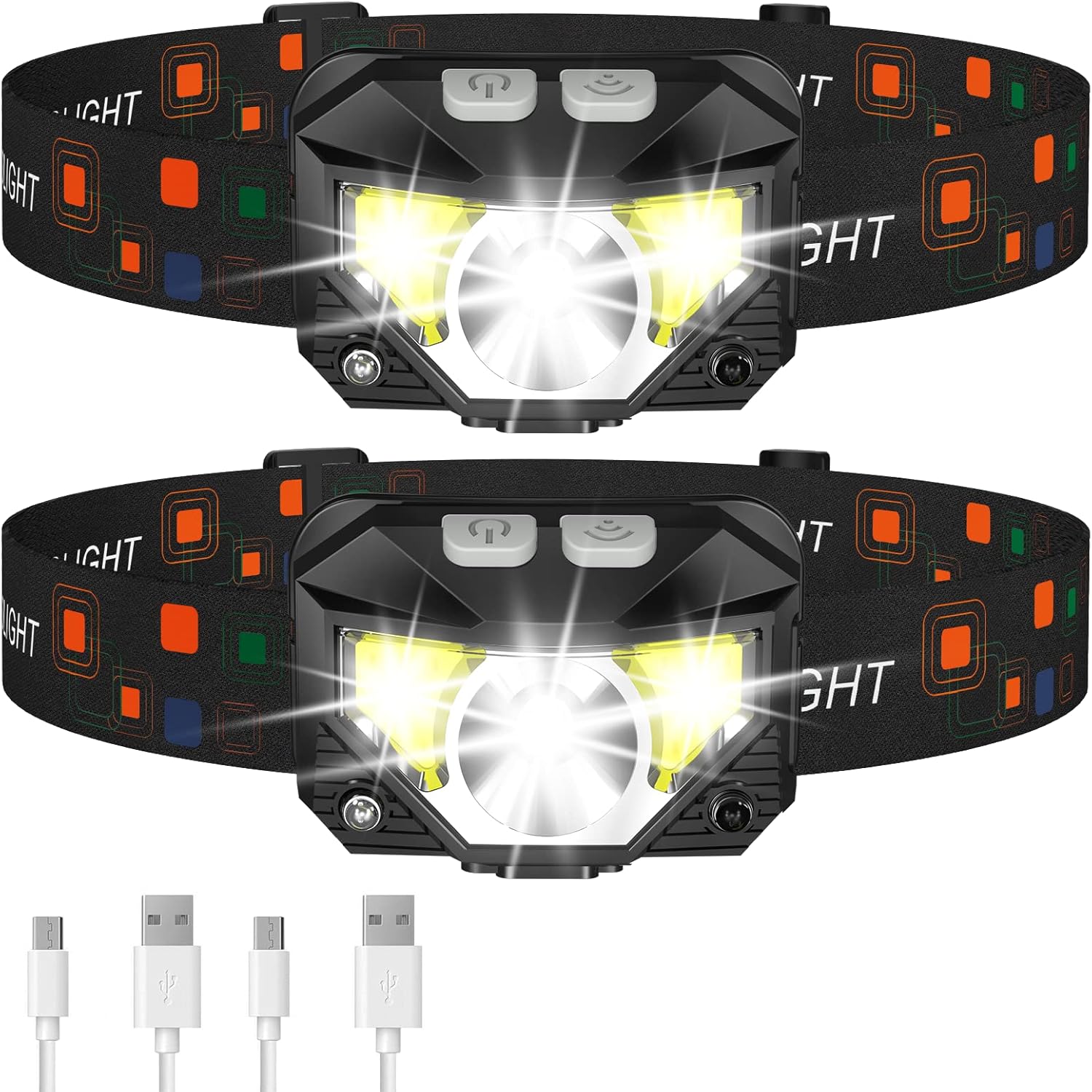
LHKNL rechargeable LED headlamp
37,188 ratings, the longest record here and about as much reassurance as an eighteen-dollar headlamp can offer. Its title quotes no lumen figure, so there is nothing to discount.
Watch outThe title does not state how many lamps are in the box. Check before assuming a pair.
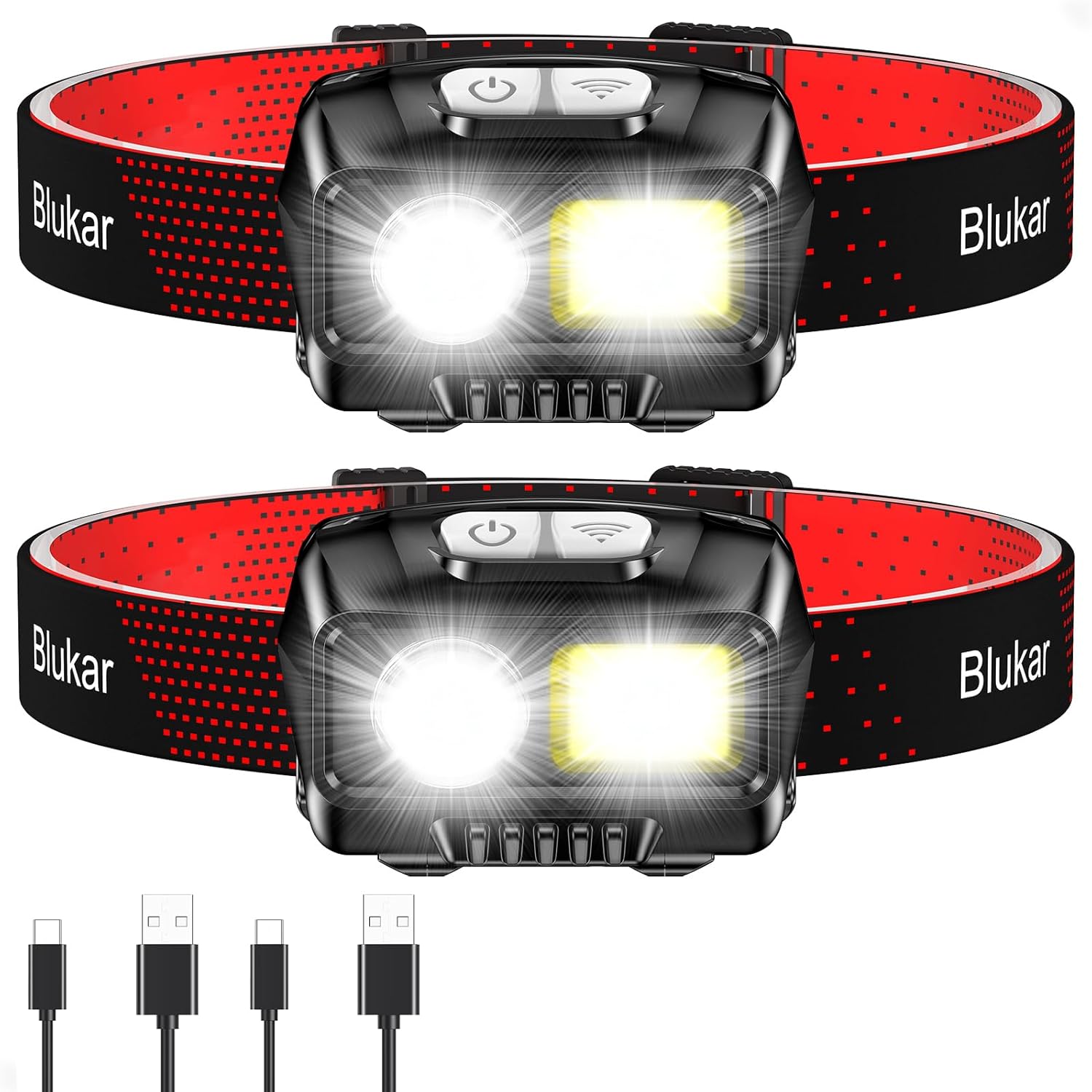
Blukar rechargeable headlamp, 2000 lumens claimed
The cheapest thing on this page and the one that leads with a number: 2,000 lumens on the listing. Treat that as a turbo burst held for a minute or two, not a setting you walk around on.
Watch outIts struck-through price sits below the asking price, so it carries no information about a saving.

Energizer PRO-400 rechargeable headlamp
A known battery brand at fifteen dollars, IPX4 rated with multiple modes. Buying a lamp from a company whose business is cells is a reasonable instinct when the cell is the part that ends it.
Watch outIPX4 covers rain and splashes, not submersion, and the listing quotes no runtime.

Foxelli USB-C headlamp, 180 lm, 2.4 oz
The one listing here that publishes the numbers the first paragraph asks for: 180 lumens, 40 hours of runtime, 2.4 ounces, IPX5, with a red mode. Tied for the best star average on this page.
Watch outA hundred and eighty lumens looks small beside a 2,000-lumen claim. It is the more honest of the two figures.

230-degree wide-beam headlamp with motion sensor, 2-pack
Two lamps, a 230-degree wide beam and wave-to-switch sensing, for twenty-five dollars. The wide beam is the feature worth paying for: it lights your feet and the path ahead together instead of one bright circle.
Watch outSensor switching fires on any hand movement near the lamp, including adjusting a hat.
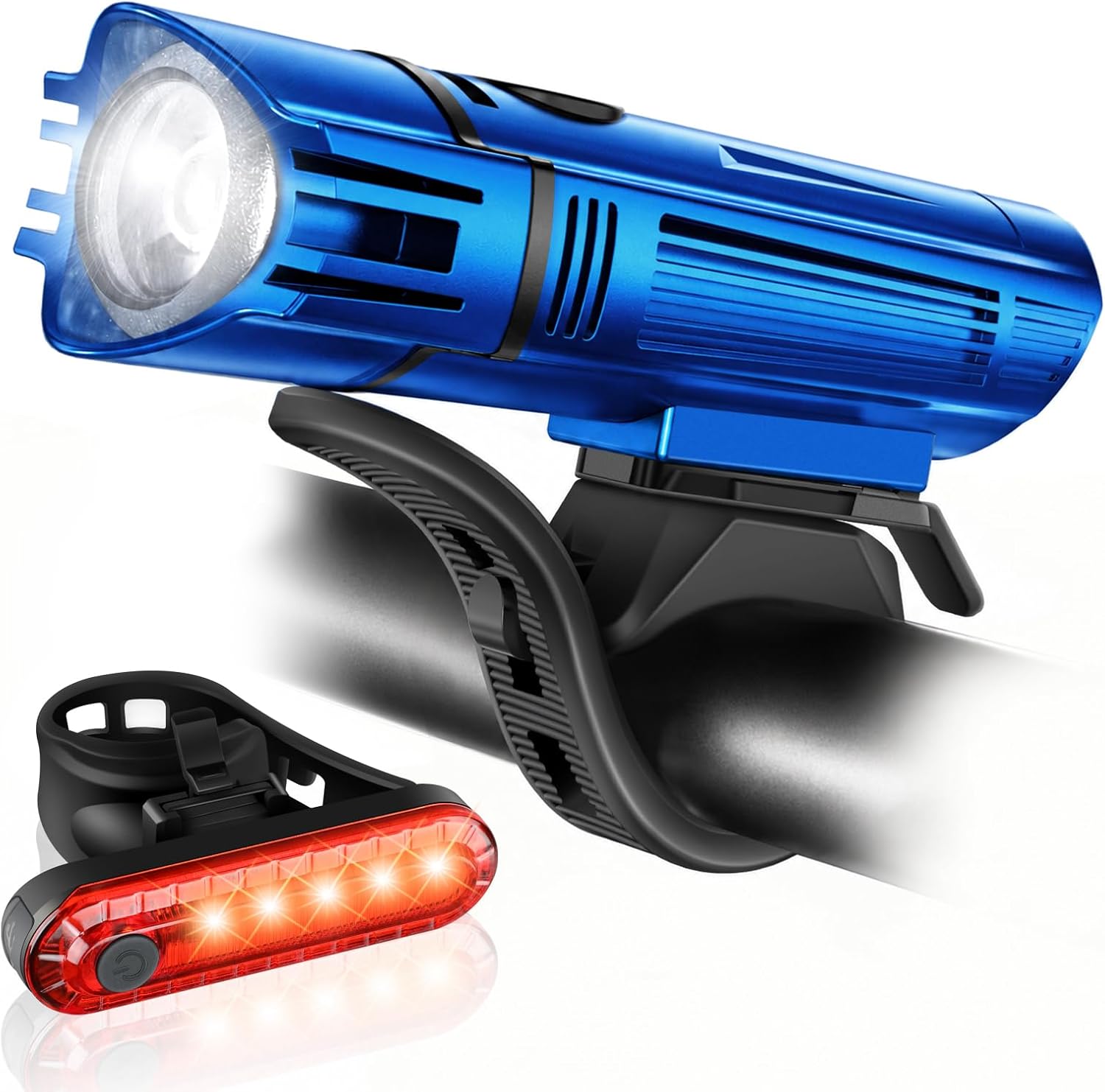
Ascher rechargeable bike light set, front and rear
Not a headlamp. It is a bicycle front light and tail light, which this search returns alongside head torches. Worth knowing about if the 5pm sunset problem involves a commute on two wheels.
Watch outThe lowest star average on this page at 4.4, and it will not strap to your head.

Coast XPH30R, 1,200 lm twist focus
A twist collar that takes the beam from a wide flood to a tight spot, which is the one control that settles the argument in the second paragraph above. USB-C, a magnetic base, and 4.37 ounces.
Watch outNearly four times the price of the Blukar. It also carries the shortest record on this page.
What actually matters here
- 01A headline lumen figure is peak output, usually sustained for a minute or two before the lamp steps down to protect the cell. The number that governs a night out is runtime on the mode you actually use, and it is rarely printed.
- 02A listing that publishes a modest lumen figure alongside a runtime is usually more trustworthy than one shouting a four-figure number with no hours attached.
- 03Beam shape beats brightness. A flood lights the ground in front of you and the thing in your hands; a spot throws a narrow circle into the distance and leaves everything close to you dark. A focusing lamp gives you both and costs more.
- 04Sealed rechargeable lamps trade a roadside battery swap for a USB cable. If a dead lamp would strand you, carry a power bank or carry a second lamp, which is why two-packs make sense at this price.
- 05A red mode is worth having. It keeps your eyes adapted to the dark and stops you blinding whoever you are talking to in camp.
- 06A struck-through price is the seller's own figure, not an independently verified former price. When it sits below the asking price, it tells you nothing at all.
Questions people actually ask
- How many lumens do I actually need in a headlamp?
- For walking, chores, camp cooking and reading, 50 to 100 lumens covers it. Trail running or moving fast on rough ground wants 200 to 400. Anything above that is for searching a field or lighting a work area, and it drains the battery quickly.
- Are rechargeable headlamps better than ones that take AAA batteries?
- For regular use, yes, because you are not buying alkalines and they hold a higher output for longer. The trade-off is that a flat sealed cell cannot be fixed in the field. If you go somewhere without power for days, a lamp that takes AAAs still has an argument.
- What waterproof rating does a headlamp need for rain?
- IPX4 handles splashes and rain from any direction, which covers almost all use. IPX7 means brief submersion and matters if it might go in a river or a boat. Ratings describe a new lamp, and gaskets around battery doors degrade with age and grit.