Fitness trackers and smartwatches, minus the subscription talk
The Amazfit wins by being the cheapest watch here whose listing claims onboard GPS; the Garmin only makes sense once your training has a plan.
We earn a commission if you buy through our links, at no cost to you. It never decides what makes the list.
Side by side
The picks

Amazfit Bip 6, 1.97-inch AMOLED with GPS
Onboard GPS and a 1.97-inch AMOLED at $79.99 is the point where a tracker stops depending on your phone to know where you went. It pairs with iOS or Android, so it is not an ecosystem lock-in.
Watch outGPS is the heaviest thing a watch this size does; plan on far less than the headline battery figure.

Samsung Galaxy Fit 3, 14-day battery
A 1.6-inch AMOLED band with 14 days quoted, from a brand with a phone business behind it, for under fifty dollars. It carries the highest star average on this page.
Watch outThe title says International Model, and no onboard GPS is claimed, so distance comes from your phone.
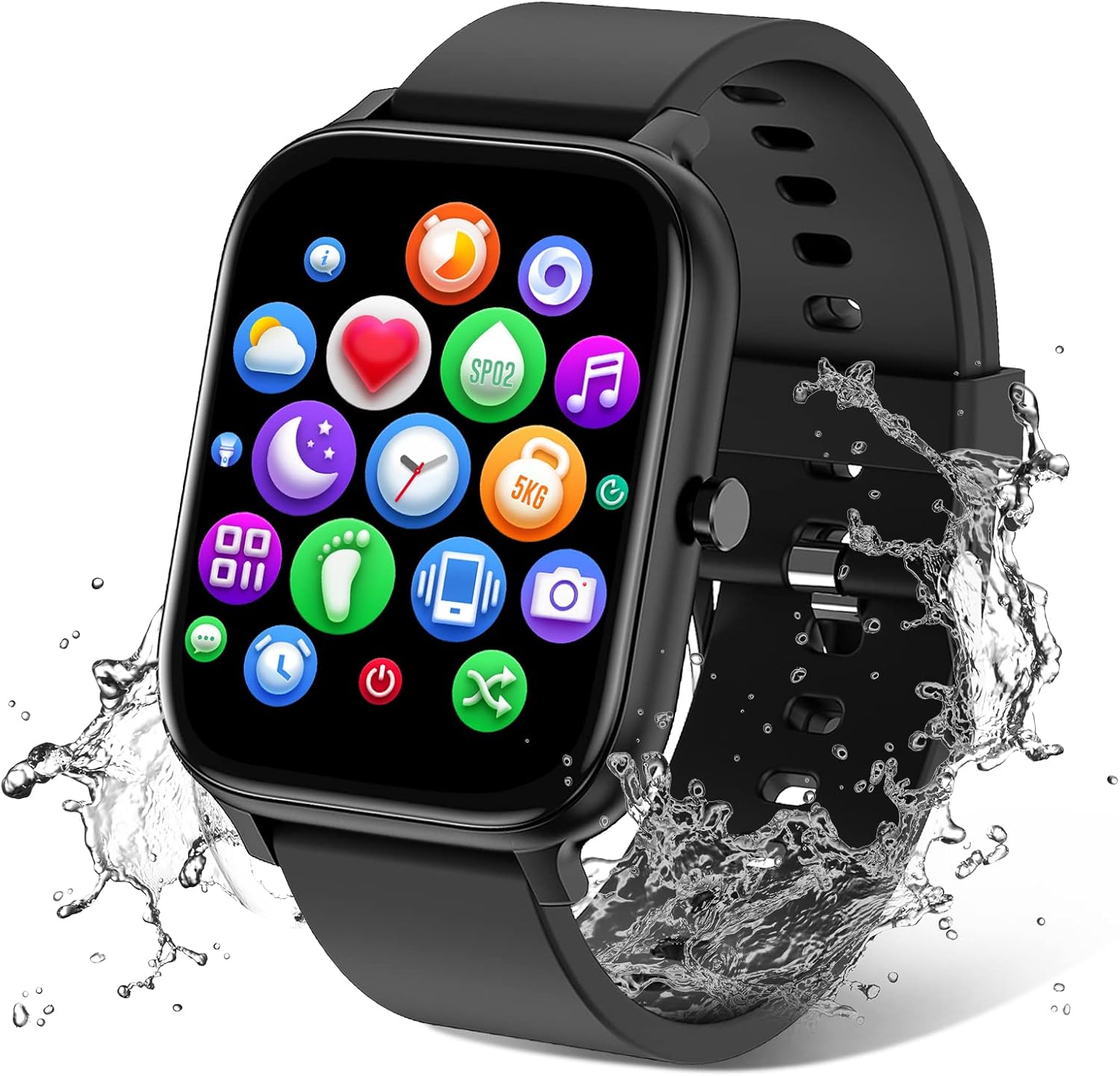
1.69-inch Touchscreen Fitness Watch, IP68
Twenty dollars buys a full touchscreen, IP68 water resistance and heart-rate and sleep tracking that works with either phone platform. If you want steps and notifications and nothing more, the price is the whole argument.
Watch out4.2 stars across 4,891 ratings is respectable, but there is no brand here to chase for support later.

aeac AMOLED Smart Watch, S/M/L sizing
About $15 under the Amazfit for a similar AMOLED-and-sensors package, with heart rate, sleep and SpO2. The size options are the real draw if a standard 46mm slab has never sat right on your wrist.
Watch outThe listing claims no onboard GPS, so runs and rides need your phone along for distance.
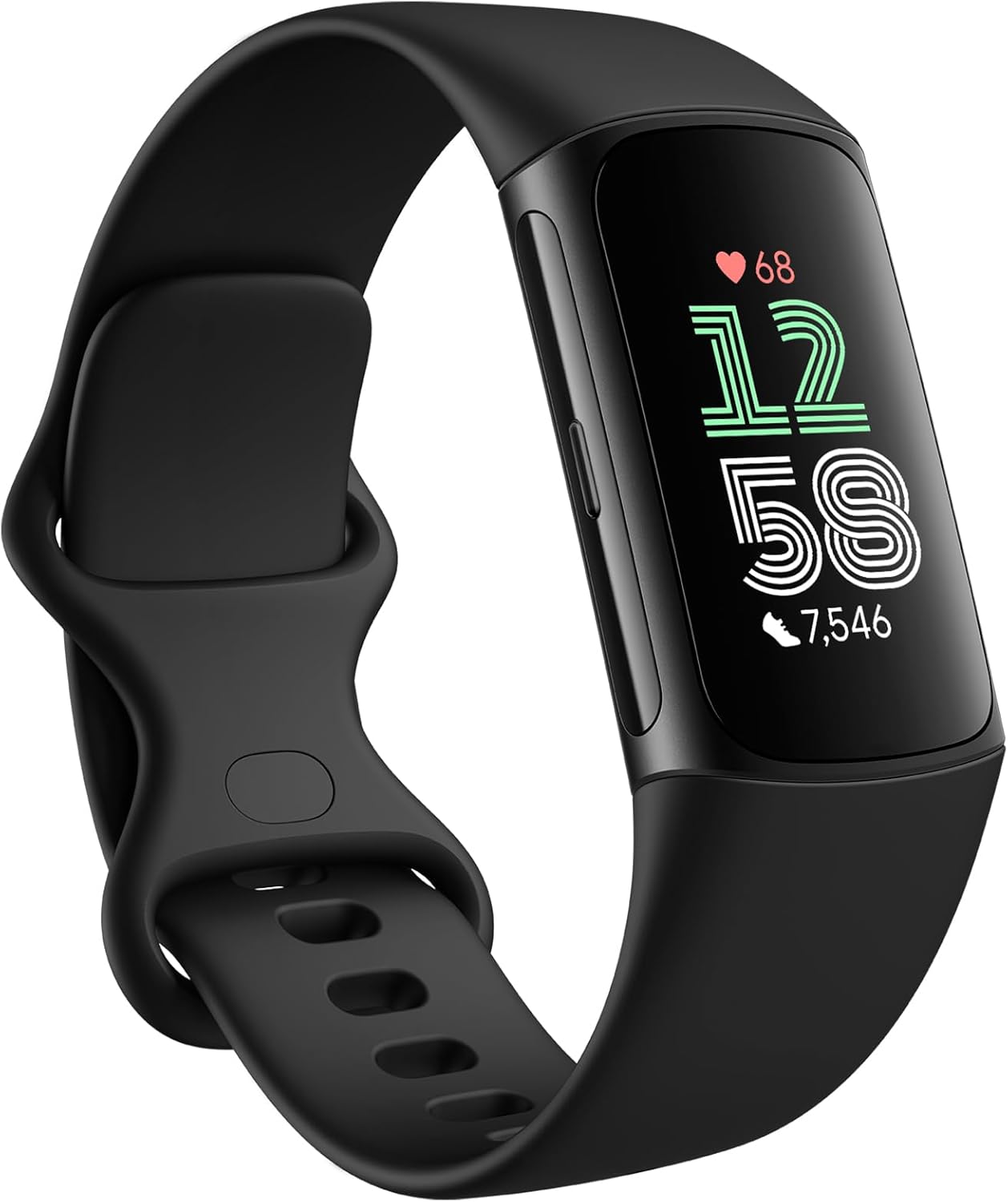
Fitbit Charge 6 band tracker
The largest rating pool on this page, and the most established name in this category. It is a band rather than a watch, which suits sleep tracking and suits a small wrist.
Watch outCheck what the app gives you free before paying; this is the brand the subscription note above is about.

1.69-inch women's smartwatch with call
The same twenty-dollar hardware class as the black touchscreen above, in a smaller pink case, with calling listed. Buy it on case size, which in this category is the thing that decides whether a watch gets worn.
Watch out2,143 ratings is the thinnest record here, too new to show a failure pattern either way.
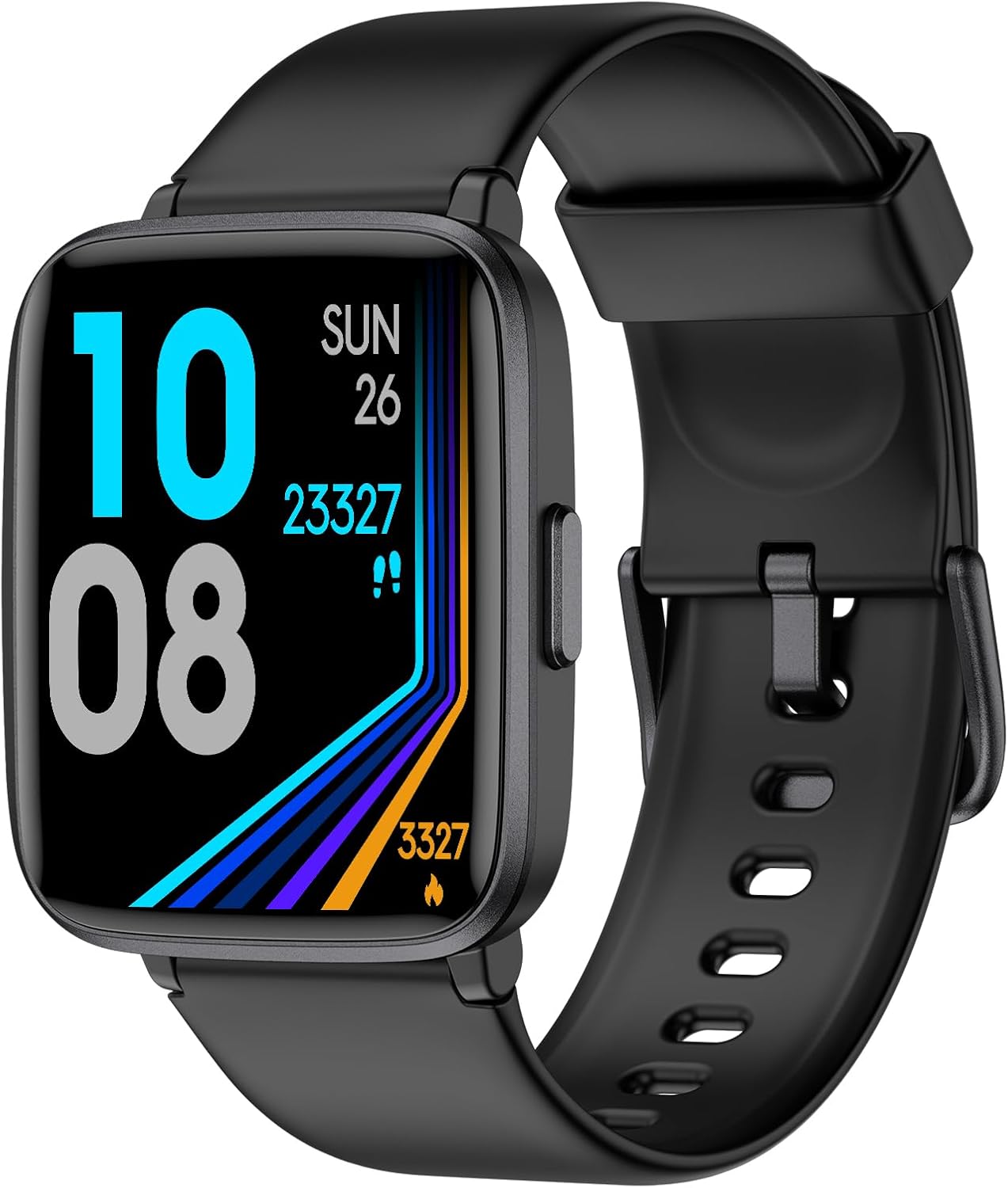
No-App Fitness Tracker Watch with Heart Rate
The one pick that does not want a phone or an account — that is the listing's entire premise. Genuinely useful for a kid, a parent, or anyone who will never open a companion app.
Watch out3.8 stars across 3,786 ratings is the weakest average on this page, which is why it is only on watch.

Garmin vívoactive 5, 42mm
For anyone whose training already has structure to it. The 42mm case is small for a GPS watch, and Garmin's fitness platform is what people are paying the difference for, not the screen.
Watch outThe struck-through $299.99 is the seller's own number. Judge it at the $181.97 asking price or skip it.
What actually matters here
- 01Onboard GPS is the one hardware line that changes what a tracker can do. Without it, distance comes from your phone or from step-counting math, and pace on a run wanders.
- 02Sport-mode counts are a software menu. A watch with 110 modes and one with 20 read the same sensors; the mode mostly changes the icon and the summary screen.
- 03Optical wrist heart rate is dependable at rest and at steady effort, and it lags on sudden changes. If you lift or do intervals, expect the number to catch up late.
- 04Check whether your own history sits behind a subscription before you buy. That fee keeps running long after the watch is paid off.
- 05A band and a watch are different products for different wrists. Bands disappear under a sleeve and are easier to sleep in; watch-shaped bodies fit more screen and more battery.
- 06Band and case size is why trackers end up in drawers. Small wrists need a small body, and the default 46mm case is not it.
Questions people actually ask
- Do I need a subscription to see my fitness data?
- It depends on the brand, not the price. Some put readiness scores, trends and long-term history behind a monthly fee while others give you everything in a free app. Check that before you buy, because the fee outlasts the hardware discount.
- Is wrist heart rate accurate enough to train with?
- For resting rate, sleep and steady cardio it is close enough to make decisions on. It struggles with fast changes — sprints, heavy lifting, cold hands — where the reading lags or spikes. If you train strictly by heart-rate zones, a chest strap is still the honest answer.
- Does a cheap tracker count steps as well as an expensive one?
- Broadly yes. Step counting is an accelerometer and a filter, and both have been cheap and good for years. Budget watches fall behind on GPS, screen brightness, build quality and software support, not on the pedometer.