Electric toothbrushes: the razor-blade model, explained
The Aquasonic wins here because it ships with eight heads. In this category the handle is cheap and the refills are the real price.
We earn a commission if you buy through our links, at no cost to you. It never decides what makes the list.
Side by side
The picks

Aquasonic Black Series, 8 brush heads and travel case
Eight heads in the box is about two years of replacements at the three-month interval, which is most of what you would otherwise spend on refills. It is also the most-reviewed brush here, at 4.5 across 138,462 ratings.
Watch outA brush with its own head format ties you to one supplier for refills. Check they are still stocked.
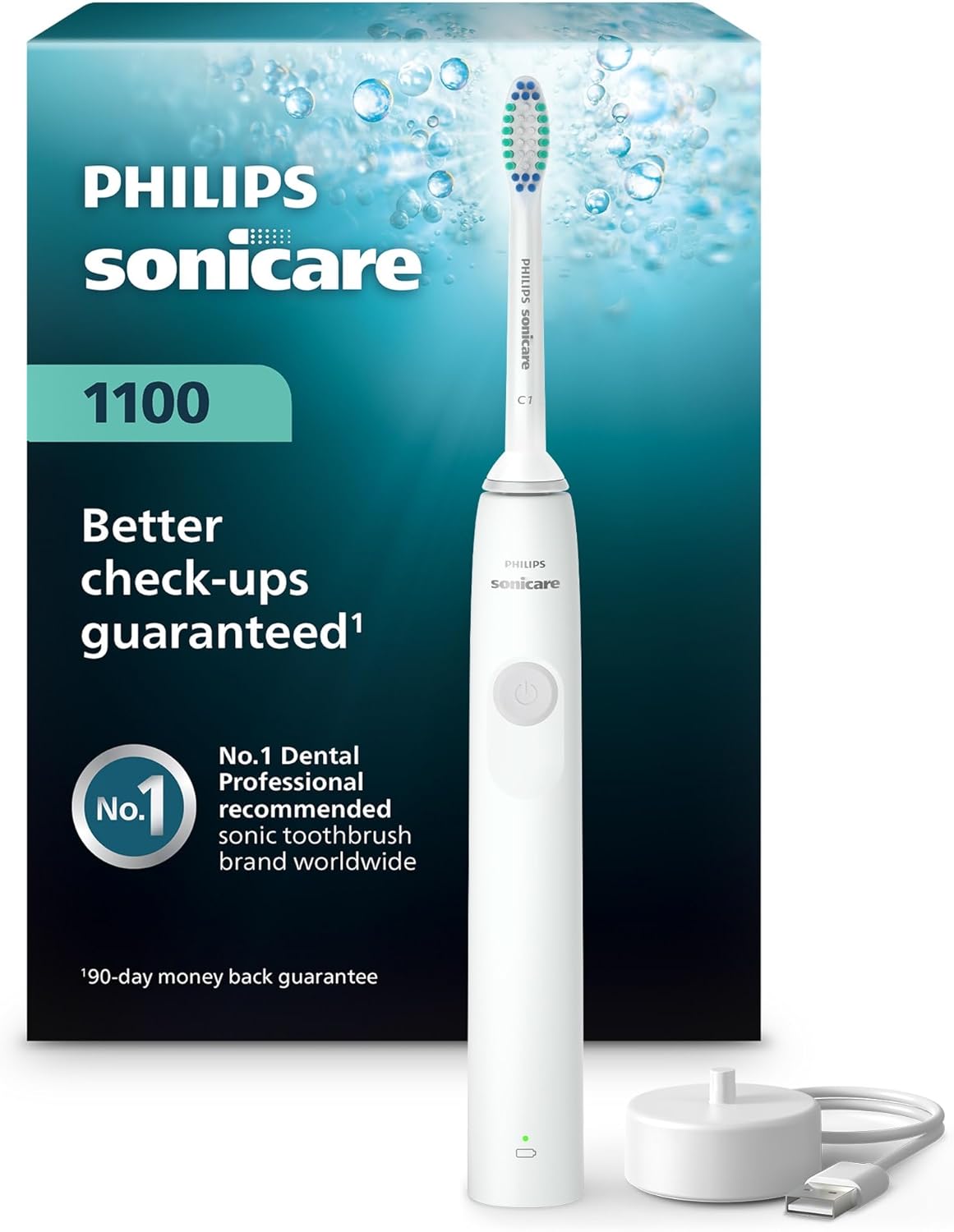
Philips Sonicare 1100, one brush head
The cheapest handle here from a line whose heads are on the shelf of any drugstore, which is worth more over five years than the twenty dollars of difference below it. It holds 4.4 across 9,720 ratings.
Watch outOne head in the box, so the refill cost starts on day one.

AJELU Sonic Toothbrush, 8 heads
Ten dollars for a handle and eight heads, which is this page's argument taken to its conclusion: the heads are the product and the motor is nearly free. A timer and five modes are stated in the listing.
Watch outAn unfamiliar head format at this price is the one to check for stock before the first eight run out.
COSLUS C30, single head
The same ten dollars as the AJELU with one head instead of eight, with fewer ratings behind it but a higher star average. If the plan is to try an electric brush before committing, this is the least you can spend.
Watch outOne head means the refill bill starts immediately, and at this price the handle is the cheap part.
Rotating Electric Toothbrush, 8 heads, 2 types
An oscillating brush rather than a sonic one, with eight heads in two shapes, which is a reasonable way to find out which head suits you without buying twice.
Watch outThe lowest star average on this page at 4.1, and the listing names no brand to chase for refills.

Oral-B Pro 1000, single mode
The long-running Oral-B basic, with 105,924 ratings at 4.5 behind it. The catch is the price: at the $49.94 we last saw it costs two and a half times the Sonicare 1100 for a comparable single-head setup.
Watch outNothing in the listing separates it from the cheaper handle except which heads it takes.

Philips Sonicare 4100, one brush head
A step up the Sonicare line from the 1100 for about thirty dollars more, still with one head in the box. Its 4.3 average across 23,074 ratings sits below both of the cheaper name-brand handles here.
Watch outThe listing does not spell out what the extra thirty dollars buys over the 1100. Read the feature list first.
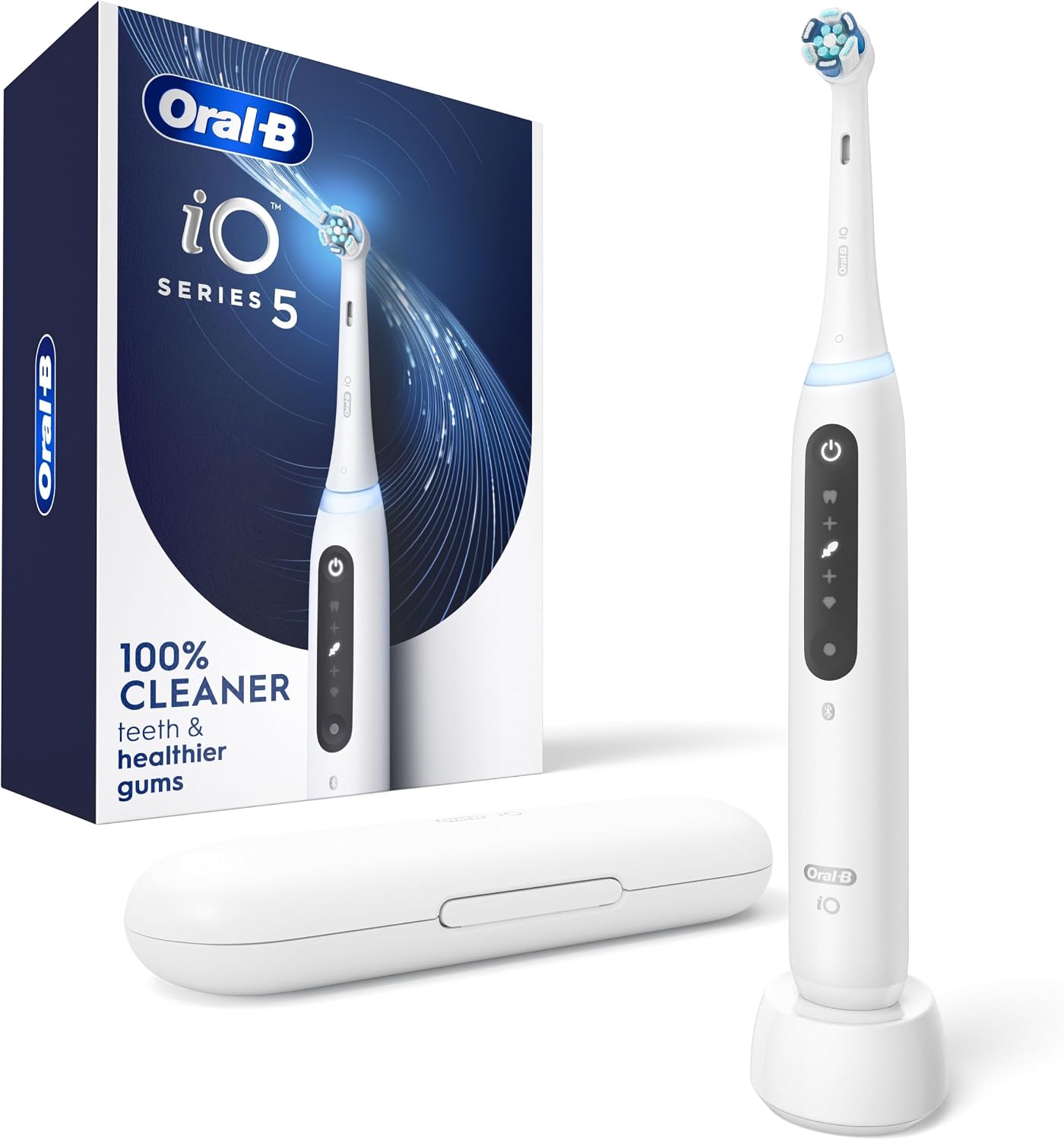
Oral-B iO5, pressure sensor and travel case
Five cleaning modes, a visible pressure light and a case, per the listing. This is the one to buy if you brush too hard and would rather the brush tell you than your dentist.
Watch outAt 3,084 ratings it is the thinnest record here, too new to show a long-term failure pattern, and iO heads are the dearest format on this page.
What actually matters here
- 01Replacement heads are the real cost of ownership. At a three-month swap, a brush you keep five years needs about twenty heads, and head formats do not cross brands.
- 02A handle that ships with eight heads has about two years of refills in the box. Price that in before comparing two handles on their sticker prices.
- 03The two features worth paying for are a two-minute timer and a pressure warning. Pressing harder does not clean better; it wears enamel and pushes gums back.
- 04Sonic and oscillating brushes are different mechanisms, not different tiers. Sonic heads vibrate side to side, oscillating heads are small and rotate. Both work. The one you will use twice a day wins.
- 05Modes beyond clean and sensitive mostly change the vibration pattern. They are pleasant rather than decisive.
- 06Battery life matters for travel, not for home. If the brush lives on a charger by the sink, a two-week battery and a four-week battery are the same brush.
Questions people actually ask
- How often should I replace an electric toothbrush head?
- About every three months, or sooner once the bristles splay outward. Frayed bristles stop reaching between teeth. A fresh head on a cheap handle cleans better than a worn head on an expensive one.
- Are third-party replacement heads worth buying?
- They cost less and they fit, but bristle quality and the tightness of the fit vary between sellers. If a generic head rattles on the shaft or the bristles stiffen after a few weeks, go back to the brand's own.
- Is an electric toothbrush actually better than a manual one?
- For most people, yes, and the timer is a large part of why. It keeps you brushing the full two minutes and the head does the small motion that hands tend to rush. A manual brush used carefully for two minutes is not far behind.